
Tile Craftsmanship Focus
Technical Scope Accuracy
Desert Climate Expertise
Tile Roofing in Peoria AZ by Platinum Exteriors Inc
Concrete and clay tile roofs define Southwestern architecture and withstand extreme desert heat. Platinum Exteriors Inc delivers meticulous tile installations, underlayment care, and precision repairs across Peoria and the Greater Phoenix Valley, ensuring lasting protection and proper structural alignment.
Why Choose Us for Tile Roofing
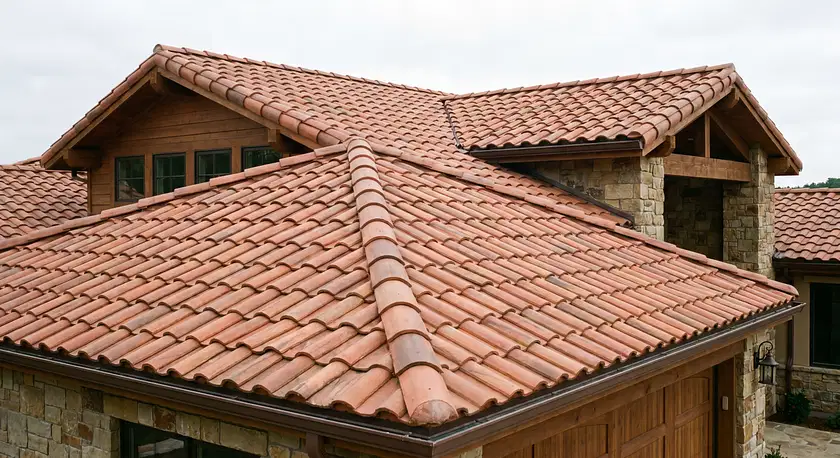
Tile roofs demand careful handling and an in-depth understanding of how high desert temperatures stress underlayment membranes. At Platinum Exteriors Inc, we specialize in concrete and clay tile roofing installations and service. We avoid sales hype, focusing instead on structural integrity, meticulous flashing fabrication, and honest evaluations of whether your existing tiles can be salvaged during an underlayment replacement. Our methodical trade approach ensures your roof system is constructed properly from the decking up.
Benefits
Advantages of Concrete and Clay Tiles
Investing in concrete or clay tile roofing delivers substantial long-term value for Southwestern properties. When installed with proper underlayment systems and correct batten spacing, tile roofs combine durable weather protection with classic regional style.
Exceptional Outer Durability
Concrete and clay tiles resist severe UV radiation, high summer ambient temperatures, and monsoon hail far better than traditional asphalt shingles.
Natural Thermal Performance
Tile profiles and batten installation create an air cushion over the roof deck, helping reduce direct heat transfer into your attic spaces.
Distinct Architectural Appeal
Whether you choose Spanish S-tiles, classic barrel clay, or modern flat concrete, tile roofs enhance the architectural character of Arizona properties.
What to expect
Our Methodical Tile Roofing Process
Proper tile roofing demands trade discipline, from structural weight checks to precision fastening. Review our clear four-step process to see how we handle your tile roof project with complete transparency and care.
Reach out if you have questions about our methods.
01
Comprehensive Assessment
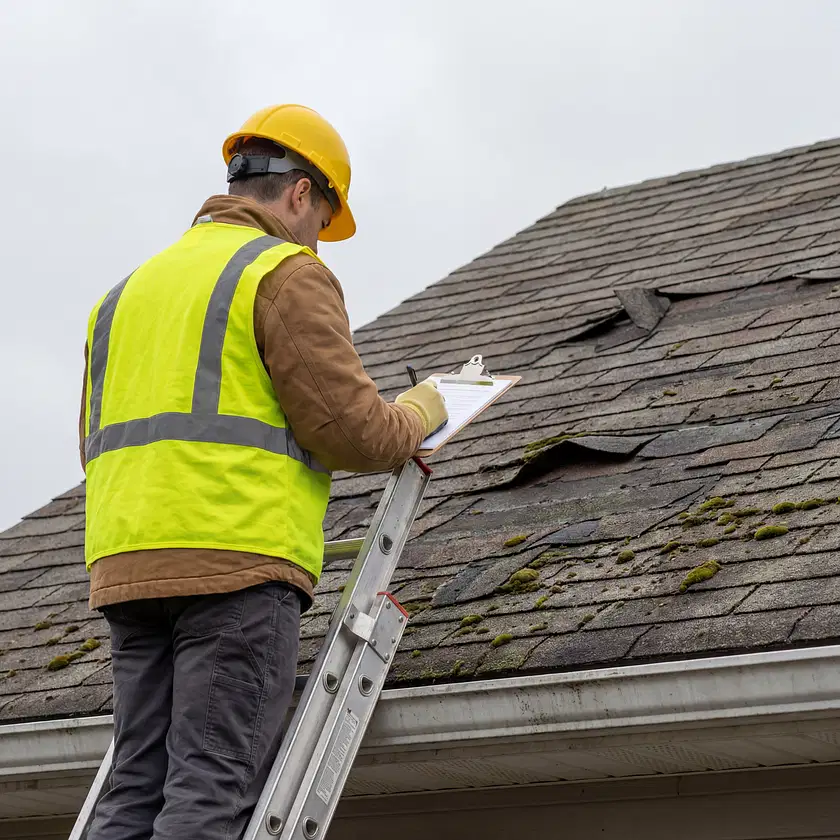
We inspect your existing roof deck, tile condition, battens, and valley flashing to pinpoint underlayment wear and framing requirements.
02
Transparent Scope Formulation
You receive a clear proposal outlining material profiles, underlayment grades, salvageable tile counts, and realistic construction timelines.
03
Methodical Installation
Our team secures underlayment, installs corrosion-resistant flashings, aligns battens, and carefully lays concrete or clay tiles to manufacturer standards.
04
Final Quality Review
We complete a thorough ground cleanup, inspect all hip and ridge mortar or mechanical closures, and verify secure tile placement.
Serving Peoria and the Greater Phoenix Valley
From our base in Peoria, we install and service tile roofs throughout the West Valley and Greater Phoenix area. We understand how local sun intensity, seasonal monsoons, and thermal expansion impact tile systems in our unique desert climate.
Phoenix, AZ, USA
Scottsdale, AZ, USA
Peoria, AZ, USA
Glendale, AZ, USA
Sun City, AZ, USA
Flagstaff, AZ, USA
Tucson, AZ, USA
Apache Junction, AZ, USA
Surprise, AZ, USA
Frequently Asked Questions
Tile roofs are a standard across the Greater Phoenix area, yet maintaining them requires distinct technical knowledge. Here are straightforward answers to common questions about concrete and clay tile roofing systems, lifespan expectations, and structural requirements.
While concrete and clay tile materials frequently endure for 50 years or more under intense sun, the asphalt or synthetic underlayment beneath them typically degrades within 20 to 30 years due to extreme attic temperatures. When leaks occur, it usually indicates underlayment failure rather than damaged tiles.
Concrete tiles are heavier and manufactured from sand, cement, and water, offering versatile profiles including flat and S-shapes. Clay tiles are fired earth, generally lighter than concrete, exceptionally resistant to color fade, and naturally suited for classic Spanish barrel architecture.
Yes, both concrete and clay tiles are substantially heavier than asphalt shingles. When installing tile on a home previously roofed with shingles, an assessment of the framing and roof deck is essential to verify load-bearing capacity before installation begins.
Yes, walking incorrectly on tiles can easily crack or dislodge them. Our tradespeople use specialized walk boards and step only on the reinforced lower thirds or overlapping sections of the tiles to prevent accidental damage during inspections and repairs.
In many cases, intact concrete or clay tiles can be carefully removed, stacked, and reinstalled (a process known as an R&R) after new, high-grade underlayment and flashing are installed, saving significant material costs.
Book Now
Protect Your Property With Expert Tile Roofing
Concrete and clay tiles offer unmatched longevity under the desert sun, but their performance depends entirely on sound flashing and healthy underlayment. Contact our trade team today to schedule an on-site evaluation in Peoria or Phoenix and review clear, practical solutions for your property.